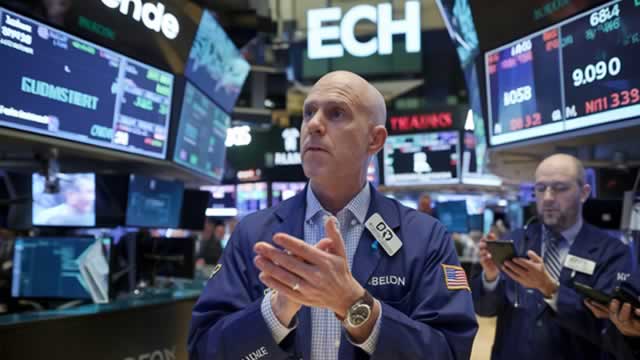
3/16, 5:31 AM
Oil Holds Above $100, Stocks Mixed as Global Markets Look for Direction
U.S. stock futures suggested gains at Monday's open as traders weighed mixed signals heading into the third week of the Middle East conflict.
wsj.comRead Article →
Global economic updates, market sentiment, and financial headlines.

Anna Edwards, Lizzy Burden, Tom Mackenzie and Mark Cudmore break down today's key themes for analysts and investors on "Bloomberg: The Opening Trade." Chapters: 00:00:00 - MLIV 00:00:29 - Higher Gas Prices 00:01:24 - Central Banks Face Inflation Threat 00:02:23 - Iran War: Oil Price, Strait of Hormuz Closure -------- More on Bloomberg Television and Markets Like this video?
U.S. stock futures suggested gains at Monday's open as traders weighed mixed signals heading into the third week of the Middle East conflict.

MTN Group reaffirmed its mid-term guidance but said the conflicts in the Middle East and Ukraine might affect its operating environment and forecast.
MTN Group reaffirmed its mid-term guidance but said the conflicts in the Middle East and Ukraine might affect its operating environment and forecast.

Punters are skeptical that a ban on congressional stock trading will be enacted this year, despite the ongoing conflict‑of‑interest debate.

The president did not name the countries he had spoken to, but said: “China, as an example, gets about 90% of its oil from the Hormuz Strait and it would be nice to have other countries police that with us.” Trump, however, declined to say if China had agreed to his proposal.
The CNN Money Fear and Greed index showed an increase in the overall fear level, while the index remained in the “Extreme Fear” zone on Friday.

With the conflict in Iran rattling financial markets and oil prices, the Bank of Japan finds itself in a familiar dilemma, weighing a policy pause against the continued push for rate hikes.c

The rotation trade into US cyclicals/value collapsed, partially driven by an unfolding private credit crisis. The rotation trade in global stocks collapsed with a rising USD and the spike in oil price, driven by the war in Iran.

The Hormuz closure is not an oil story—it is a four-act supply chain crisis, and the market has only priced Act One. COVID taught us that the best trades arrive in the lag: freight reprices first, then fertilizers, then food.

European Union energy ministers will meet to weigh up options to curb energy costs on Monday, as officials draft emergency plans to temper the impact of surging oil and gas prices triggered by the Iran war.

Matt Smith of Kpler discusses the various alternative routes to the Straits of Hormuz, probability of the U.S. attacking Kharg Island and the impact of the IEA's coordinated SPR releases.

“I literally think all the marks are wrong,” Apollo's John Zito said of private equity in previously unreported comments. Apollo said the comment was about software companies.

JGBs edged higher in yield terms in early Tokyo trade on growing inflation concerns driven by the Middle East conflict, which could prompt a faster pace of BOJ rate increases.

The S&P 500 (SPY) remains under pressure, closing at fresh 2026 lows on Friday. New lows look likely next week, but with the daily 200 SMA now in view, another unsustained bounce could be setting up.

The Fed is expected to hold rates steady amid surging oil prices and rising inflation expectations, with markets now pricing in minimal cuts for 2026. Updated Fed projections may reflect stagflation risks: higher inflation forecasts, softer GDP, and a modest uptick in unemployment through 2027.

Each week, Benzinga's Stock Whisper Index uses a combination of proprietary data and pattern recognition to showcase five stocks that are just under the surface and deserve attention.

More than 400 million barrels of oil from International Energy Agency emergency reserves will begin flowing soon, the agency said in its most detailed account of the rollout of the plan to combat a spike in crude prices since the start of the Iran war.
No one likes James Bond films and spy novels more than CIA and MI6 spies and functionaries. What better way to make the routinely pedestrian appear glamorous.

Surging oil prices are driving inflation expectations higher, forcing markets to rapidly price out anticipated Fed rate cuts. Current futures suggest the market now expects at most one rate cut in 2026, aligning with the Fed's previous 3.4% projection.

I see rising redemption pressure, weaker confidence in private loan values, and early signs that stress could spread to banks if the selloff continues. I see a bank contagion risk because markdowns on loans tied to private credit borrowers could reduce leverage and tighten funding across the system.

When Saudi Aramco told its oil buyers in a letter this week that it had no clear idea which port it would use for April exports, it laid bare a new reality: Iran, not the United States, holds the key to reopening the global energy market.

The Federal Reserve, European Central Bank and Bank of England are set to make policy decisions in the coming days. Sovereign debt sell-off has spooked bond investors.

The upcoming FOMC meeting is expected to be uneventful, with rates likely unchanged and no major policy surprises anticipated. Current market optimism for future rate cuts is misplaced, given persistent inflation, surging energy prices, and geopolitical risks.

Geopolitical shocks, especially the Iran War, have triggered sharp capital rotations and exposed hidden market fragility beneath mega-cap tech outperformance. Energy, particularly U.S. natural gas exporters and infrastructure, stands out as a structural winner amid AI-driven power demand and global supply disruptions.
Despite a 5% S&P 500 pullback, market action appears as healthy consolidation, not a signal of systemic distress. Sustained $100+ oil poses risks: higher inflation, delayed Fed rate cuts, and potential consumer retrenchment impacting economic growth.

Japan plans to start releasing oil from its stockpiles on Monday to soften the shock from the U.S.-Israeli war on Iran, a stark reminder of the oil crisis half a century ago that prompted Tokyo to create reserves.

Markets face a week dominated by the Fed meeting, inflation data and major earnings as investors assess energy volatility and the outlook for interest rates.
The 1-Minute Market Report, March 15, 2026

Broken trendlines and a looming ‘death cross' pattern bode badly for the financial sector, and therefore the rest of the stock market.
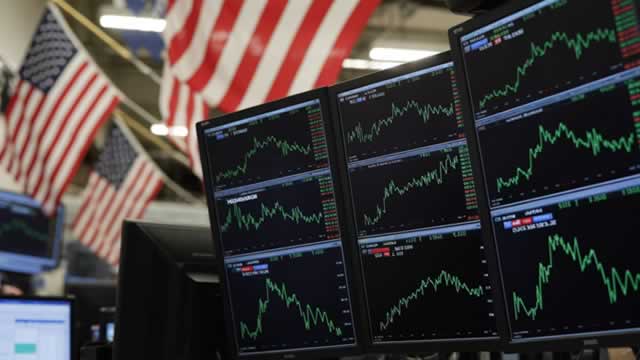
The US-Iran conflict is escalating to new heights, with a real possibility of US boots on the ground as military deployments intensify near critical energy infrastructure. Strait of Hormuz disruptions significantly threaten global commodities, driving oil prices higher and fueling volatility; energy stocks have surged nearly 30% YTD.

While the broader software sector stumbles, cybersecurity platforms are emerging as essential infrastructure needed to channel rising traffic from AI agents.

The latest jobs data is pointing to a softer US labor market, even as overall economic conditions have remained relatively solid. Steven Rattner of Willett Advisers unpacks what is driving that disconnect, why tariffs may be adding pressure on employers, how AI is already influencing hiring decisions, and why the combination of forces could create a challenge for the Fed and for investors.

The U.S. faces a demographic 'Silver Tsunami,' with aging Baby Boomers set to release significant real estate and equity holdings into the market. This generational wealth transfer will increase housing inventory and exert downward pressure on home price appreciation over the coming years.

Countries are pushing the president to stick to deals made last year, and some are bristling at U.S. allegations of unfair trade practices.
With fuel prices soaring since the start of the war with Iran, a question has surfaced that was almost unimaginable a few weeks ago: Could the next move by the Federal Reserve be an interest-rate hike?

The decision was good news for Jerome Powell, but it shows that Fed independence now depends on judges.
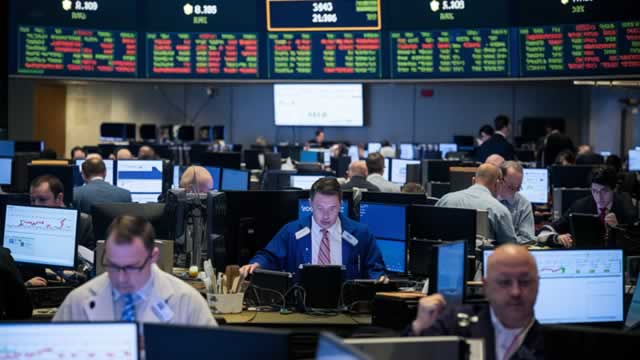
Options traders are signaling trouble, and systematic funds are expected to cut their exposure to U.S. stocks.

Greenblatt's 'magic formula'—combining Return on Capital and Earnings Yield—consistently outperformed the S&P 500 from 2017 to early 2026. Testing the formula on S&P 500 constituents, portfolios of 20–30 top-ranked stocks delivered 4–6% higher annual returns and superior Sharpe ratios versus the index. Quality (ROCE) alone outperformed value (Earnings Yield) alone, but their combination yielded the best risk-adjusted results.

Consumer spending was slow and inflation was stubborn even before the attack on Iran sent oil prices soaring.
Price pressures remain top of mind for many firms, fueling the desire to improve profitability through increased business efficiency. The willingness to invest in strategically critical imperatives is reshaping capital allocation decisions.

This market brief examines the rapidly escalating AI agent platform war between OpenAI, Perplexity, NVIDIA, and Chinese tech firms, with a side-by-side comparison of OpenClaw and Perplexity Computer for users evaluating their options. It also explores the investment implications across AI tokens, U.S. equities, and the broader liquidity environment shaped by private credit stress.

Small cap outperformance narrows as caution rises. U.S. inflation steady; energy poses near-term risk.

In early Monday trading, 10-year Treasury yields were seven bps higher to 4.21%, though the more alarming moves were in the swaps market. The International Energy Agency has ordered the largest release of government oil reserves in its history to help calm the oil price shock triggered by the US-Israeli attacks on Iran.

The coordinated U.S.-Israel strikes on Iran on February 28 and Iran's subsequent retaliation have pushed the region into its most volatile military confrontation in decades. Damage to energy infrastructure and rapidly filling storage tanks have forced several Gulf producers to curtail output.

American shoppers will still feel the pain from climbing global oil prices, beyond what they pay at the pump.

Insurers providing war cover in Persian Gulf countries face higher risks as the US and Israel continue their air campaign against Iran. While Iran has targeted US military infrastructure in Gulf Cooperation Council countries, it has also hit civilian property, including hotels, airports and energy facilities.

Software stocks are having their business models challenged by AI. Companies with specialized or niche software may be better protected.

Discover our weekly market outlook, exploring themes and events that forged financial flows throughout the week. This week saw the commencement of large wartime impacts on volatility.